
Coffee quality and uniqueness hinge on local sourcing, which supports sustainable farming, regional flavor profiles, and community economic well-being. Artisan roasters in Highlands Ranch employ diverse techniques to enhance sensory experiences through varying roast levels. Brewing processes, combining science and art, create complex flavors. Local cafes prioritize eco-friendly practices like responsible sourcing, reusable containers, energy efficiency, and solar panels, appealing to both coffee enthusiasts and ethical consumers. Supporting local, sustainable coffee spots positively impacts daily routines and the environment.
In today’s coffee culture, the quest for the perfect brew has become an art form. As we explore the world of fresh brew at local spots, it’s evident that authentic flavor experiences are within reach for coffee enthusiasts. However, navigating the sea of options can be daunting—from specialty roasts to artisanal brewing techniques. This article delves into the significance of supporting independent coffee houses, where passion meets precision in crafting unique, high-quality coffee. We uncover the secrets behind their success and guide readers on how to identify and appreciate these hidden gems, ensuring a genuine coffee journey that celebrates local excellence.
- Sourcing Local Beans: Fresh Coffee's Foundation
- Roasting Techniques: Unlocking Flavor Profiles
- The Art of Brewing: From Grain to Cup
- Establishing a Haven: Designing Your Spot
- Community Engagement: Building a Loyal Customer Base
- Sustainability Practices: A Responsibly Brewed Journey
Sourcing Local Beans: Fresh Coffee's Foundation

The foundation of any fresh brew lies in the beans it originated from. Sourcing local coffee beans isn’t just about ensuring a robust cup; it’s an essential step in supporting sustainable farming practices and cultivating a unique flavor profile that reflects the region. For those who appreciate the art of coffee, seeking out local beans offers a chance to explore the diverse nuances each area imparts.
Cozy cafes have long been more than just spaces for a quick drink—they’ve become hubs for community building and mental respite. Many of these havens actively source their beans from nearby sustainable coffee farms, fostering direct relationships with farmers and ensuring ethical practices. By embracing local beans, these cafes not only support the economic well-being of their communities but also contribute to the preservation of diverse farming techniques that have been passed down through generations.
Imagine strolling into a cozy cafe, perhaps one nestled among vibrant street art or within a historic building, and enjoying a perfectly brewed cup that embodies the essence of your city. This experience transcends mere taste; it’s about connecting with the land, supporting local businesses, and fostering a deeper appreciation for the coffee you sip daily. If you’re inspired to delve into this practice, consider reaching out to nearby cafes like 224-200-2000 for insights on their bean sourcing journeys. Data shows that consumers are increasingly conscious of where their food and beverages come from, making local coffee a trending favorite.
Beyond the satisfying aroma and flavor, supporting local coffee farms also means promoting environmentally friendly practices and contributing to the economic growth of your region. Whether you’re a coffee connoisseur or simply appreciate the comfort of a cozy cafe, sourcing beans from sustainable nearby farms is a meaningful step towards a more connected and vibrant community.
Roasting Techniques: Unlocking Flavor Profiles
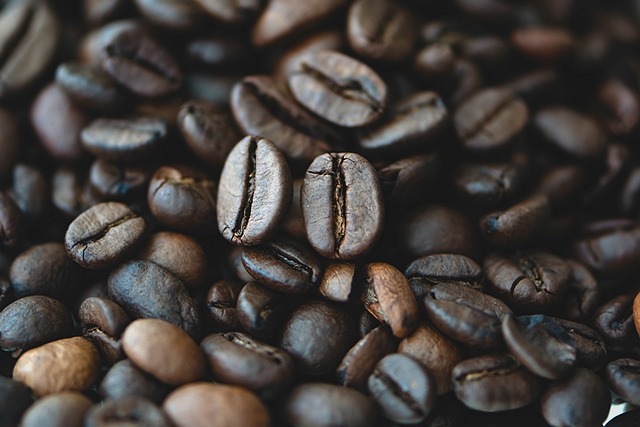
The art of coffee roasting is a nuanced process that significantly impacts the flavor profiles we experience in our daily cups. When it comes to crafting exceptional freshly brewed coffee, Highlands Ranch local coffee artisans employ diverse techniques to unlock unique coffee rituals and enhance the sensory experience. Among these methods, different roast levels, from light to dark, each have distinct characteristics that influence the final cup’s aroma, body, and aftertaste.
Light roasts, with their vibrant hues, tend to highlight the original flavor notes of the bean, offering a cleaner, brighter taste profile. These beans often retain more acidity, providing a crisp, fruity, or floral sensation. A local favorite, for instance, is the medium-light roast from Roastery 224-200-2000, which showcases the delicate citrus notes of their Ethiopian beans. On the other hand, dark roasts undergo longer roasting times, resulting in a fuller body and deeper, often smoky flavors. This process caramelizes sugars within the beans, creating a richer, darker liquid with reduced acidity. Vintage coffee presses, a manual brewing method, can bring out these robust flavors beautifully, as the slow immersion allows for a full extraction of the rich, roasted notes.
Artisan roasters in Highlands Ranch are exploring innovative techniques to create unique coffee experiences. Some experiment with extended aeration times, known as “long-roast” methods, which intensify flavors but can also lead to potential bitterness if not carefully monitored. Others focus on precise temperature control during roasting, allowing for a more nuanced flavor development. These local experts continually refine their crafts, ensuring that each batch of freshly roasted beans expresses the distinct character of its origin while showcasing the artistry inherent in the process.
The Art of Brewing: From Grain to Cup
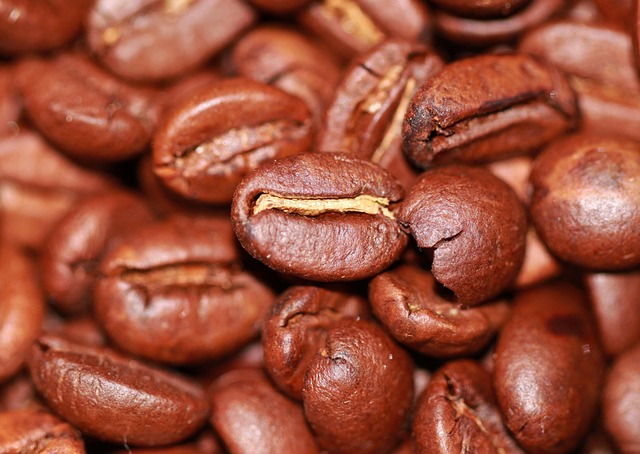
The art of brewing is a delicate dance between science and artistry, where each step transforms simple grains into complex, captivating beverages. At the heart of this process lies coffee, a natural treasure that, when meticulously crafted, reveals its depth and character. From the moment green beans are roasted to the precise extraction in a handcrafted espresso drink, every element contributes to an exceptional cup. This is where the true magic happens—in the hands of skilled artisans who understand the rhythm of brewing.
Artisanal coffee traditions have enriched the world with their diversity and quality. In Gurnee, Illinois, for instance, local spots like Parker offer workshops that delve into these traditions, teaching enthusiasts the intricacies of roasting and brewing. These gatherings are not just about learning; they’re a celebration of the human touch in coffee making. Each participant gains insights into how subtle adjustments in sourcing, roasting profiles, and brewing techniques can dramatically alter the final flavor profile. For instance, a lighter roast may unveil floral notes, while a deeper one can bring out earthy tones, showcasing the coffee’s origin story.
Crafting freshly brewed coffee is both an art and a science. It requires understanding the chemistry behind extraction, the temperature dance of brewing, and the patience to let the coffee rest, all while appreciating its natural complexity. By embracing these artisanal practices, baristas create handcrafted espresso drinks that are not just beverages but experiences, inviting drinkers to savor every rich, aromatic sip. This commitment to excellence ensures that each cup tells a story—a narrative woven from the grain to the cup, unique and captivating.
Establishing a Haven: Designing Your Spot
Creating your own haven for fresh brew starts with designing a space that caters to both coffee culture and personal preference. Think beyond the standard café setup; envision a sanctuary where handcrafted lattes become art and every sip tells a story. The best kept coffee secrets often lie in unique ambiance, so consider incorporating natural elements, warm lighting, and cozy seating to foster a sense of community. In areas like 80216, known for its vibrant coffee scene, the demand for exceptional coffee shops is high, making your personal haven all the more impactful.
Andrews Coffee and Crystals, for instance, has carved out a niche by offering not just premium brews but an experience. Their blend of local charm and expert barista skills sets them apart as a top destination for coffee enthusiasts. To replicate this success, tailor your space to cater to various coffee preferences—from traditional pour-overs to innovative cold brewing methods. Ensure ample counter space for crafting lattes and unique serving pieces that elevate the customer experience. Data shows that aesthetics play a significant role in choosing a coffee shop, so invest in high-quality ceramics and decor that reflect your brand’s identity.
Don’t underestimate the power of social interaction; design areas conducive to both solitary focus and group gatherings. Consider incorporating community boards for sharing best coffee secrets or hosting local art exhibitions. By creating a dynamic environment, you not only foster loyalty among regular patrons but also attract new customers seeking authentic experiences. Remember, your spot isn’t just about serving great coffee; it’s about cultivating a culture that celebrates fresh brew as an integral part of daily life.
Community Engagement: Building a Loyal Customer Base

In the world of coffee culture, building a loyal customer base goes beyond just serving a great cup—it’s about fostering community engagement. For local spots like those found in Cherry Creek and South Denver, this means creating an ambiance that invites patrons to return again and again. Cozy cafe settings, for instance, encourage customers to linger over their afternoon coffee dates, turning occasional visitors into regular folks who become an integral part of the neighborhood fabric.
One effective strategy is to embrace indie roasters tours and events that highlight local coffee roasters. These gatherings not only educate consumers about the art of roasting but also foster a sense of community among coffee enthusiasts. For instance, consider Gurnee, Illinois, where such initiatives have successfully built a vibrant coffee culture, with patrons eagerly anticipating seasonal events that bring together local artisans and palates. By offering unique experiences that extend beyond the typical transaction, these establishments cultivate loyal customers who become brand advocates.
Additionally, leveraging digital platforms to engage with customers can significantly strengthen community ties. Social media contests, loyalty programs, and online ordering systems enable coffee shops to maintain a consistent connection with their patrons, even between in-store visits. For example, a South Denver local coffee roasters map could be a valuable tool for both business owners and customers, promoting a sense of discovery and fostering a deeper appreciation for the diverse coffee culture in the area. This strategy not only drives foot traffic but also encourages exploration, ensuring that every visit offers something new and memorable.
Sustainability Practices: A Responsibly Brewed Journey

In today’s world, where sustainability is at the forefront of consumer choices, coffee shops are no exception. The journey from bean to cup has evolved significantly, with many local spots embracing eco-friendly and ethical practices. When you’re looking for that perfect handcrafted espresso near me or a cozy cafe on Capitol Hill, consider the impact of your choice. Vintage coffee bars in Five Points, for instance, have embraced the trend, offering not just fresh brew but also responsible sourcing and innovative recycling methods.
One key aspect is the use of locally sourced ingredients, ensuring minimal carbon footprint through reduced transportation. Many top cafes now partner with nearby farmers, promoting local economies and fostering a sense of community. Additionally, the shift towards reusable containers and reducing single-use plastics is evident in these establishments. For example, some coffee bars offer incentives for customers bringing their own cups, cutting down on waste significantly. This commitment to sustainability isn’t just a trend; it’s a responsibility that many forward-thinking businesses are embracing.
Moreover, the energy efficiency of these local spots is another critical component. Solar panels and energy-saving appliances are becoming commonplace, reducing overall electricity consumption. A prime example is the rise of coffee shops using draft beer taps for their beverages, which maintains ideal temperatures while minimizing energy waste compared to traditional heating methods. As consumers, we can support these efforts by choosing cafes that prioritize sustainability, like those offering 224-200-2000 as a commitment to eco-friendly practices.
These sustainable practices not only benefit the environment but also enhance the overall customer experience. Handcrafted beverages prepared with care and served in an ambiance that reflects the brand’s values create a unique wind-down ritual for many, especially in the evening. Whether you’re a coffee connoisseur or simply appreciate a well-executed concept, supporting these local, sustainable spots can make all the difference in your daily routine.
In exploring the multifaceted world of fresh brew and local spots, this article has illuminated key strategies for crafting not just a superior coffee experience but also building a thriving community hub. By prioritizing sourcing local beans to ensure the freshest, most sustainable coffee, roasting techniques that unlock unique flavor profiles, and mastering brewing methods from grain to cup, coffee enthusiasts can create a truly exceptional product. Establishing a welcoming space designed to foster community engagement is paramount, cultivating a loyal customer base through shared passion for coffee. Embracing sustainability practices throughout the journey ensures not only a responsible product but also aligns with modern consumer values. Armed with these insights, readers are now equipped to make informed decisions, elevate their coffee offerings, and contribute positively to their communities, naturally.
